The Ultimate Ireland Travel Guide for First-Time Visitors
I use affiliate links on this page to share my recommendations with you, which means when you click, I get a small percentage of the purchase at no extra cost to you. This allows us to keep this page running. You can read more about how we handle your data in our privacy policy and affiliate disclosure here.
Ireland was one of those trips that completely lived up to the hype, yet still managed to surprise us.
Tim and I explored Ireland by car, planning our route carefully and then letting the days unfold as we drove narrow coastal roads, crossed misty mountain passes, and lingered in small villages we hadn’t originally planned to stop in. Ireland looks small on a map, but planning it well makes the difference between a rushed checklist trip and one that actually feels magical.
That’s because Ireland is compact, incredibly varied, and easy to underestimate. In a single day you can go from rugged Atlantic cliffs to quiet countryside to lively towns, but only if your route, timing, and expectations are realistic.
The purpose of this Ireland travel guide is to help you plan confidently without overwhelm. Inside, you’ll find practical itineraries, road trip routes, and firsthand tips to help you decide where to go, how long to stay, and how to connect it all in a way that feels smooth, flexible, and genuinely enjoyable, whether it’s your first trip to Ireland or your return visit.

How to Use This Ireland Travel Guide
Planning a trip to Ireland can feel overwhelming at first — especially once you realize how much there is to see in such a small country. This page is designed to help you start in the right place, not get lost in endless tabs and ideas.
Think of this guide as your home base.
You can use it in a few different ways, depending on how you like to plan:
- Start here if you’re still deciding where to go.
Scroll through the regions and road trips below to get a feel for what parts of Ireland match your travel style. - Jump straight to what you need.
Use this page to quickly access:- City and regional itineraries
- Scenic road trips and driving routes
- Practical planning guides (driving, timing, logistics)
- Let the links do the work.
Every post is intentionally interlinked, so once you start reading, you’ll naturally be guided to related routes, nearby stops, and planning tips — without missing anything important.
You don’t need to read this guide from top to bottom in one sitting. Start with the section that fits where you are in the planning process, and come back as your itinerary takes shape.
This hub is here to make your Ireland trip feel organized, realistic, and genuinely enjoyable — not overwhelming.
Ireland Travel Planning Snapshot
Best time to visit:
May–June and September (great weather, fewer crowds)
Ideal trip length:
7–10 days for a road trip; 2+ weeks for deeper exploration
Getting around:
Renting a car is best for scenic routes and rural areas
Guided tours work well if you don’t want to drive
Driving basics:
Drive on the left
Roads can be narrow and winding
Manual cars are common
Currency:
Euro (€)
Language:
English (with Irish/Gaelic in some signage)
Weather:
Mild but unpredictable — rain possible year-round
Type of Plug:
Look for a Type G adapter with USB ports so you can charge multiple devices at once without packing extra bricks.
Good to know:
Ireland is extremely friendly, easy to navigate, and very safe for travelers.
Where to Go in Ireland (By Region)
Ireland may be small, but each region feels distinctly different. Instead of trying to see everything, the key is choosing one or two regions that match your travel style and giving them enough time.
Below is a breakdown to help you decide where to focus — with links to detailed guides for each area.
Dublin & Eastern Ireland
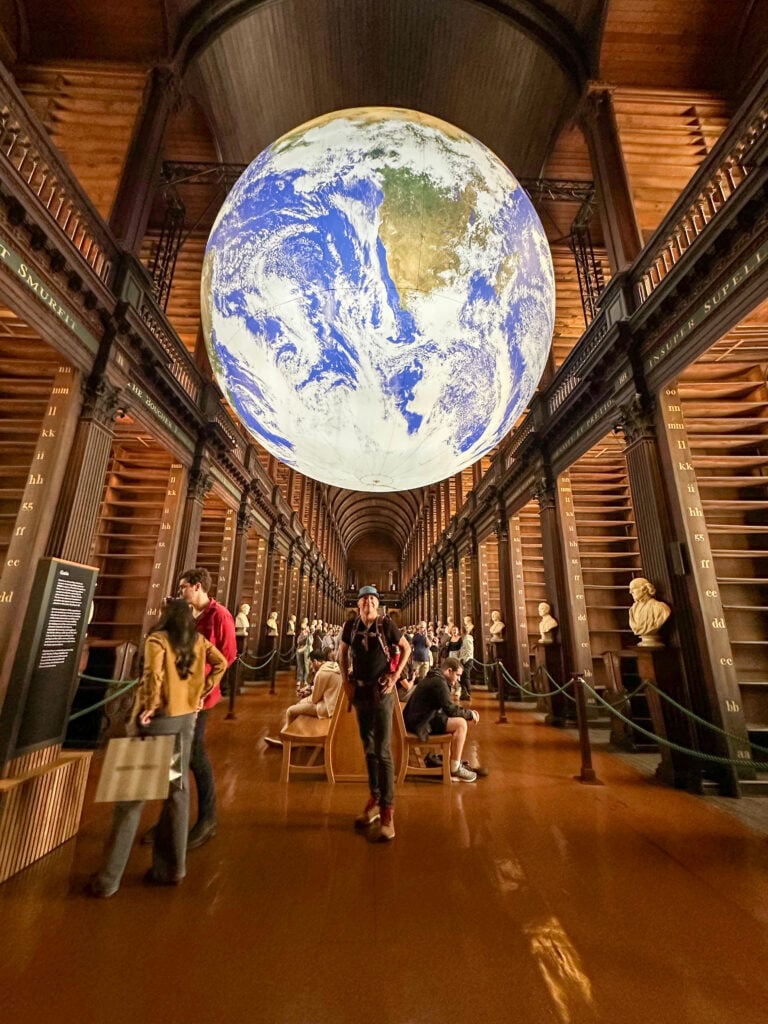
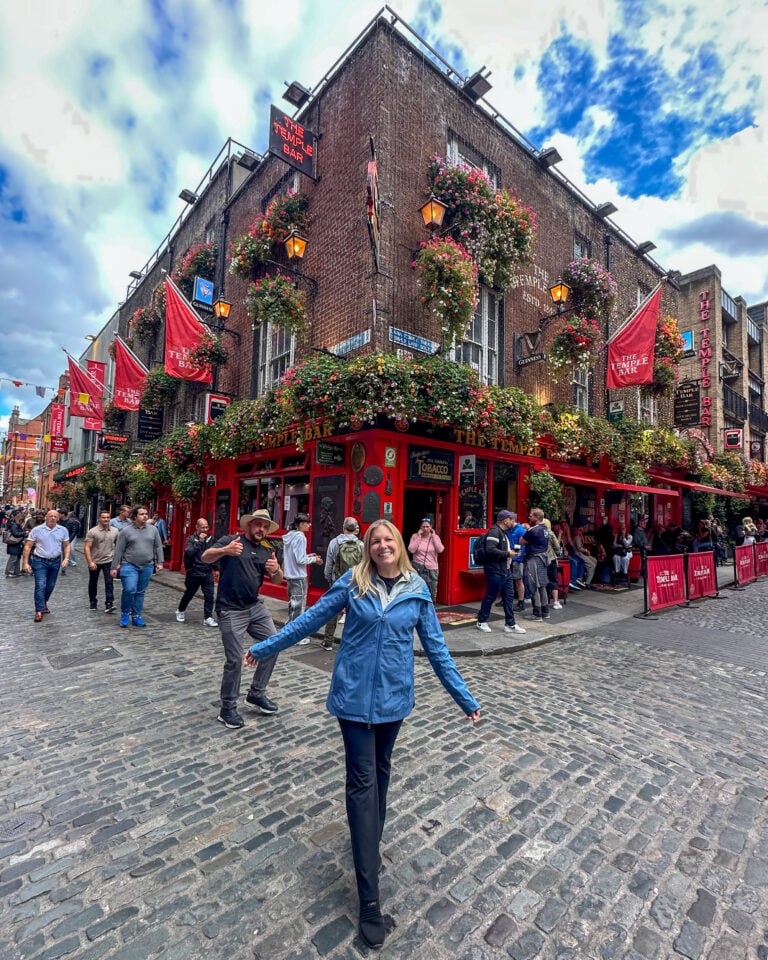
Dublin is compact, walkable, and easy to explore without a car — making it a common starting or ending point for Ireland trips.
This region works well if you want:
- History, museums, and literary landmarks
- Lively pub culture
- Easy airport access
👉 Best for: short trips, first/last stop on a longer itinerary
👉 Plan to spend: 1–3 days
Click the guides below to plan your trip to Dublin:
- How to Spend One Day in Dublin
- Things to Do on a Rainy Day in Dublin
- Is the Book of Kells Really Worth It?
Southern Ireland and County Kerry
If you’re dreaming of dramatic coastal scenery, winding roads, and iconic Irish landscapes, start here.
This region is home to some of Ireland’s most famous routes and viewpoints, and it’s ideal for travelers who want a classic Ireland road trip experience.
Highlights include:
- The Ring of Kerry
- Skellig Ring scenic drive
- Kerry Cliffs overlooking the Skellig islands
- Colorful towns like Killarney and Portmagee
👉 Best for: first-time visitors, road trippers, photographers
👉 Plan to spend: 2–4 days
Click the guides below to plan your trip to Southern Ireland:
- How to Drive the Ring of Kerry in Just One Day
- Is the Rock of Cashel Worth it?
- Is Kilkenny Worth Visiting?
The Dingle Peninsula
Often compared to the Ring of Kerry — and sometimes loved even more — the Dingle Peninsula offers rugged coastlines, fewer crowds, and a slightly more local feel.
Expect:
- Narrow coastal roads with constant ocean views
- Ancient stone structures and beehive huts
- Lively music pubs in Dingle town
👉 Best for: scenic driving, culture, slower travel
👉 Plan to spend: 1–2 days
West Coast (Galway & Surroundings)
The west coast blends lively city energy with easy access to natural scenery. Galway is often used as a base for exploring nearby highlights.
From here, travelers often visit:
- Coastal viewpoints and seaside villages
- Day trips toward Connemara
- A mix of organized tours and independent exploration
👉 Best for: travelers who want flexibility without long drives
👉 Plan to spend: 1–2 days
Northern Ireland
Northern Ireland feels noticeably different — both culturally and geographically — and offers some of the most striking coastal scenery on the island.
Highlights include:
- The Causeway Coast
- Carrick-a-Rede Rope Bridge
- Historic cities like Belfast and Derry
👉 Best for: dramatic landscapes, history, unique stops
👉 Plan to spend: 2–3 days
Road Trips & Scenic Routes in Ireland
If you’re planning to see Ireland beyond the cities, road trips are the best way to do it.
Some of Ireland’s most memorable places aren’t reachable by train or bus — they’re tucked along winding coastal roads, at the end of narrow lanes, or between small villages you’d never visit without a car. Driving gives you the freedom to stop for viewpoints, detour when something catches your eye, and move at a pace that actually lets Ireland sink in.
That said, Ireland road trips aren’t about covering huge distances. Expect:
- Narrow, winding roads, especially along the coast
- Slower travel times than the map suggests
- Frequent pull-offs for scenery, sheep, and photos
Planning realistic routes — and fewer of them — is what turns an Ireland road trip from stressful into unforgettable.
Ring of Kerry (Classic Scenic Drive)
The Ring of Kerry is Ireland’s most famous scenic drive, looping through mountains, coastline, and small towns in County Kerry.
It’s iconic — and also easy to do poorly without a plan. Traffic, tour buses, and timing make a big difference here.
Best for: first-time visitors, photographers, classic Ireland scenery
Skellig Ring (Quieter & Wilder)
The Skellig Ring branches off the Ring of Kerry near Portmagee and delivers some of the most dramatic coastal scenery in Ireland.
This route features:
- Narrower roads and fewer tour buses
- Close-up views of the Skellig islands
- Stops like the Kerry Cliffs
It’s slower and more rugged than the main Ring of Kerry — but for many travelers, it ends up being the highlight of their Ireland trip.
👉 Skellig Ring Scenic Drive
Best for: dramatic views, fewer crowds, adventurous drivers
Dingle Peninsula (Scenic Coastal Loop)
The Dingle Peninsula drive rivals — and sometimes surpasses — the Ring of Kerry in scenery, with a more local, less tour-heavy feel.
Expect:
- Constant ocean views
- Narrow, twisting coastal roads
- Ancient stone structures and beehive huts
- A lively, welcoming base in Dingle town
This drive rewards slow travel and works especially well if you enjoy pulling over often and wandering without a strict schedule.
Best for: scenery lovers, culture, slower-paced road trips
Plan for: 1 full day (or 2 at a relaxed pace)
Antrim Coast (Causeway Coastal Route)
Northern Ireland’s Antrim Coast is one of the most visually striking coastal drives on the island.
This route includes:
- Dramatic cliffs and crashing waves
- Famous stops like the Giant’s Causeway and Carrick-a-Rede Rope Bridge
- A mix of easy driving and short scenic walks
Compared to western Ireland, roads here are generally wider and more straightforward, making it a good confidence-building drive for first-time visitors.
Best for: dramatic landscapes, iconic stops, easier driving
Plan for: 1–2 days, depending on stops
Wild Atlantic Way (Big-Picture Route)
The Wild Atlantic Way isn’t a single drive — it’s a long coastal route stretching along Ireland’s western edge.
Rather than trying to drive it end to end, the best approach is to pick one or two sections (like Southwest Ireland or the west coast) and explore them well.
This guide focuses on specific, manageable scenic routes so you can build an itinerary that fits your timeline without burnout.
Road Trip Planning Notes (Important)
- Distances look short — drive times are not.
Always pad your schedule. - Smaller cars are easier.
Narrow roads and tight parking favor compact vehicles. - Early starts matter.
Scenic routes are far more enjoyable before tour traffic builds. - You don’t need to drive every day.
Base yourself in one area and explore from there when possible.
National Parks in Ireland (What to Know)
Ireland’s national parks are very different from what many travelers expect if they’re used to U.S. national parks. They’re smaller, easier to visit, and focused on protecting landscapes rather than offering large visitor centers or long backcountry hikes.
There are six national parks in Ireland, and all are free to enter. Most are best experienced through short walks, scenic viewpoints, and nearby drives rather than full-day hiking itineraries.
Ireland’s National Parks
- Killarney National Park – Lakes, mountains, and waterfalls; home to Torc Waterfall
- Wicklow Mountains National Park – Rolling mountains and glacial valleys near Dublin
- Connemara National Park – Wild scenery and coastal mountain views
- Burren National Park – Unique limestone landscape near the Cliffs of Moher
- Glenveagh National Park – Remote landscapes and castle views
- Ballycroy National Park – Rugged, quiet wilderness on the west coast
How to Include National Parks in Your Trip
If you’re already visiting:
- County Kerry → Killarney National Park fits easily
- Dublin area → Wicklow Mountains makes a great day trip
- West Coast → Connemara or the Burren pair well with coastal routes
Think of Ireland’s national parks as scenic complements, not destinations that require multiple days on their own.
Best Walks & Scenic Hikes in Ireland
One of the best things about exploring Ireland is that you don’t need long, strenuous hikes to reach incredible scenery. Many of the most memorable views are reached via short walks, cliff paths, and well-marked trails that fit easily into a road trip day.
These are the scenic walks we personally did and recommend — all high-reward, approachable, and easy to pair with nearby drives and towns.
Torc Waterfall (Killarney National Park)
A classic, easy walk to one of Ireland’s most beautiful waterfalls. The trail is short and well-maintained, making it a perfect stop if you want a nature break without committing to a long hike.
Best for: quick stop, lush scenery, pairing with the Ring of Kerry
Time needed: 20–30 minutes
Kerry Cliffs
A rugged coastal walk with jaw-dropping views of the Atlantic and the Skellig islands. This is not a manicured path — expect uneven ground, wind, and wide-open cliff edges — but the views are absolutely worth it.
Best for: dramatic scenery, fewer crowds, photographers
Time needed: 30–60 minutes
Cliffs of Moher
Ireland’s most famous cliffs are popular for a reason. Well-marked paths lead to towering Atlantic views, and you can tailor your walk length depending on time, weather, and crowds.
Best for: iconic views, first-time visitors
Time needed: 30 minutes to 2 hours
Carrick-a-Rede Rope Bridge
A short coastal walk leading to a swaying rope bridge over the sea. The walk itself is scenic and manageable, and crossing the bridge adds a memorable (slightly adrenaline-filled) moment.
Best for: unique experiences, coastal views
Time needed: 1–1.5 hours
Giant’s Causeway
An easy walk through one of the most unique natural landscapes in Ireland. You can stick to short paths or wander farther among the basalt columns, depending on energy and conditions.
Best for: geology, easy walking, bucket-list stops
Time needed: 45–90 minutes
Practical Travel Tips for Ireland
Ireland is an easy country to travel in, but a few small decisions make a big difference in how smooth — and comfortable — your trip feels. These are the practical tips that matter most once you’re on the ground.
- Expect unpredictable weather.
Sun, mist, wind, and rain can all happen in the same day — sometimes in the same hour. Plan for changing conditions rather than perfect forecasts. - Layers matter more than fashion.
A light waterproof jacket, breathable layers, and something warm you can easily take on and off will get more use than trendy outfits. - Comfortable walking shoes are essential.
Even non-hiking days usually involve cobblestones, uneven paths, or short scenic walks. Supportive shoes are worth prioritizing. - Driving takes longer than it looks.
Distances are short, but narrow roads and scenic stops slow things down. Always pad your schedule. - Cash is useful, but not always necessary.
Cards are widely accepted, but having a small amount of cash is helpful for parking areas, rural spots, or honor-system entrances. - Book popular stops ahead in peak season.
Summer travel fills up quickly for car rentals, major attractions, and accommodations — especially in smaller towns.
For a full breakdown of what actually works (and what we wish we’d left at home), see:
👉 What to Pack for a Trip to Ireland for Women
This guide covers weather-ready outfits, shoes that hold up on cobblestones and trails, and travel essentials that make Ireland days easier — not heavier.
Ireland Food & Culture
What surprised me most about traveling in Ireland wasn’t just the scenery — it was how much of the experience revolved around everyday moments.
Meals weren’t rushed. Pubs weren’t just for drinking. And some of our favorite memories came from sitting down somewhere cozy after a long drive, ordering something simple, and realizing how good it was.
A few things that stood out:
- Food is hearty, comforting, and better than expected.
Think fresh seafood, rich soups and stews, soda bread with real butter, and breakfasts that actually fuel a full day of exploring. - Pubs feel like community spaces.
Many double as restaurants, gathering places, and music venues — often all in the same evening. - Service is genuinely warm.
Conversations happen easily, recommendations are freely given, and no one rushes you out the door. - Traditional music shows up when you least expect it.
You don’t need to hunt down a performance — sometimes it just starts while you’re already there.
Food and culture in Ireland are deeply tied to place. What you eat — and where you eat it — becomes part of the memory of each region.
If you want a deeper dive into what’s worth trying (and what to look for on menus), see:
👉 Best Foods to Try in Ireland
That guide breaks down classic dishes, regional specialties, and what we kept ordering again and again.
Sample Ireland Trip Structures
If you’re still figuring out how to fit Ireland together, these sample trip structures can help you visualize what’s realistic — and what starts to feel rushed.
Ireland works best when you anchor your trip around one main region and then build outward. These examples aren’t full itineraries, just planning frameworks you can adapt.
3 Days in Ireland
Best for: city-focused trips or stopovers
- Dublin as a base
- Explore the city
- One day trip (Wicklow Mountains, coastal towns, or historic sites)
This works well if you don’t want to rent a car or are short on time.
5 Days in Ireland
Best for: first-time visitors who want a taste of both city and scenery
- 1–2 days in Dublin
- West coast highlights (Galway area or Cliffs of Moher)
- Limited driving, selective stops
You’ll see variety, but you’ll need to prioritize.
7–10 Days in Ireland
Best for: road trippers and scenic-drive lovers
- Dublin + a road trip loop
- Focus on one main region (Southwest Ireland, west coast, or Northern Ireland)
- Slower pace with room for weather and detours
This is the sweet spot for most travelers.
Our 8-Day Ireland Itinerary (Very Aggressive, But Real)
We had just one week in Ireland and were determined to see as much as possible — which meant an intentionally aggressive itinerary. It was fast-paced, but it gave us a great overview of the country and helped us understand how we’d travel differently next time.
Use this as a reference point, not a recommendation to copy exactly.
Day 1
Fly into Dublin, land in the morning, explore the city
Drive to Kilkenny for the night
Day 2
Explore Kilkenny in the morning
Visit the Rock of Cashel
Begin the Ring of Kerry scenic drive
Day 3
Visit the Kerry Cliffs and/or Skellig Islands
Drive to Dingle
Drive the Dingle Peninsula scenic route if time allows
Day 4
Visit the Cliffs of Moher
Continue to Galway
Overnight near Galway
Day 5
Day trip to the Aran Islands
Return to the mainland
Drive to Cong
Day 6
Falconry experience at Ashford Castle in Cong
Drive to Derry, Northern Ireland
Day 7
Visit Giant’s Causeway
Walk Carrick-a-Rede Rope Bridge
See Dunluce Castle
Drive to Belfast
Day 8
Visit the Titanic Belfast museum
Fly home from Belfast or continue onward
What We’d Do Differently Next Time
- Fewer overnight moves
- More time in one region
- More flexibility for weather
Ireland rewards slower travel — but if you’re short on time, this kind of fast-paced loop is doable with realistic expectations.
Ireland Travel FAQs
Is Ireland a good destination for first-time international travelers?
Yes. Ireland is friendly, safe, English-speaking, and easy to navigate. It’s one of the least intimidating countries to visit abroad, especially if you’re comfortable with road trips.
How many days do you need in Ireland?
A good first trip is 7–10 days, which allows time for one main region plus Dublin or another city. If you want to explore multiple regions without rushing, 10–14 days is ideal.
Do you need a car to travel in Ireland?
Not everywhere — but a car makes a big difference if you want to see coastal scenery, rural areas, and scenic drives. Cities like Dublin are easy without one, but many of Ireland’s best places aren’t reachable by public transport.
Is driving in Ireland hard for Americans?
It’s different, not difficult. Driving on the left and navigating narrow roads takes some adjustment, but most travelers adapt quickly. Planning realistic routes and allowing extra time helps a lot.
What’s the best time of year to visit Ireland?
Late spring (May–June) and early fall (September) offer the best balance of weather, daylight, and fewer crowds. Summer has long days but heavier tourism. Winter is quieter but comes with shorter days and more weather variability.
Is Ireland expensive?
Ireland can be moderately expensive, especially for accommodations and car rentals in peak season. Food costs are reasonable, and many natural attractions — including national parks — are free to visit.
Do you need to book attractions in advance?
For major attractions, car rentals, and anything with limited capacity in summer, yes. Smaller walks, viewpoints, and scenic stops usually don’t require reservations.
Is Ireland good for hiking and outdoor activities?
Yes — especially for short scenic walks and coastal trails. Ireland excels at high-reward, accessible outdoor experiences rather than long backcountry hikes.
Is Ireland family-friendly?
Very. Ireland is welcoming to families, with easy walks, casual dining, and flexible travel pacing. Just plan driving days carefully if traveling with kids.
Can you visit Ireland without planning much?
You can, but you’ll enjoy it more with a loose plan. Ireland looks small on a map, but travel times add up quickly. A little planning goes a long way toward keeping the trip relaxed.
Where to Go Next in Europe
If you’re continuing your trip, Ireland pairs beautifully with several nearby destinations — especially if you enjoy scenic drives, history, and slower, experience-driven travel.
Because Ireland trips often start or end in Dublin or Belfast, it’s easy to connect onward without backtracking.
A few great options to consider:
- Scotland
Dramatic landscapes, scenic road trips, castles, and hiking — Scotland is a natural follow-up to Ireland, especially if you loved coastal drives and moody scenery. - The United Kingdom (England & Wales)
Easy flights and ferries connect Ireland with England and Wales, making it simple to combine cities, countryside, and historic sites in one trip. - Mainland Europe
If you’re ready for a change of pace, Ireland pairs well with destinations across Europe — from slower cultural travel to more urban, food-focused trips.
Each of these guides builds on the same planning style you’ll find here: realistic pacing, firsthand tips, and routes that actually make sense on the ground.
Ready to Start Planning?
If this is your first trip to Ireland, start with Dublin and build outward from there — it’s an easy entry point and pairs well with both road trips and day trips.
If you love scenic drives and dramatic landscapes, don’t miss the Ring of Kerry guide — it’s one of the best ways to experience Ireland by car when planned well.
And if you’re still in the early stages, save this guide and come back to it as your trip takes shape. Everything here is designed to work together, so you can plan step by step without feeling overwhelmed.
Whenever you’re ready, start with the section that fits where you are — and let the rest unfold from there.
More Ireland Guides
- START HERE– The Ultimate Ireland Travel Guide
- The Perfect Day in Dublin Itinerary
- Best Things to Do in Dublin on a Rainy Day
- Is the Book of Kells Experience REALLY Worth It?
- What to Pack for a Trip to Ireland for Women
- Best Foods to Try in Ireland
- Is Kilkenny, Ireland Worth Visiting?
- Is the Rock of Cashel Worth Visiting?
- How to Drive the Ring of Kerry in Just One Day